Panda Paper Sculpture: A Designer's Review
As a designer who has spent years navigating the intersection of digital art and physical thread, I approach every new asset with a critical eye. The market is flooded with generic motifs, but finding a piece that truly sparks a project idea is rare. When I first encountered the Panda Paper Sculpture by Sofs Design, my initial reaction was one of curiosity mixed with professional skepticism. The concept promises a cute papercraft aesthetic, described as a quality template to compose around your house or garden. But how does a design rooted in paper folding translate into the realm of machine embroidery? This review breaks down whether this 3D SVG style concept holds up when converted into a tangible, stitched reality.
First Impressions: Mood and Visual Personality
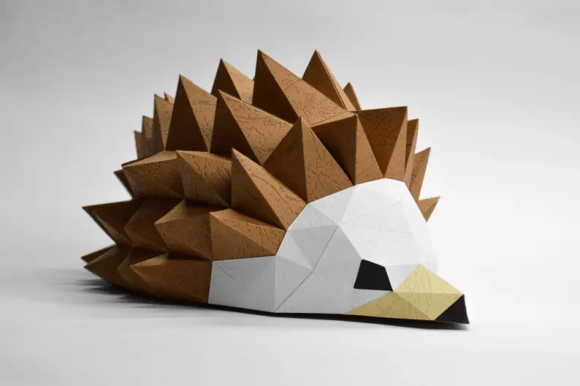
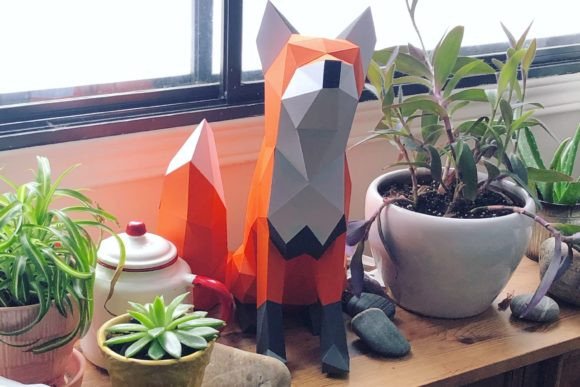
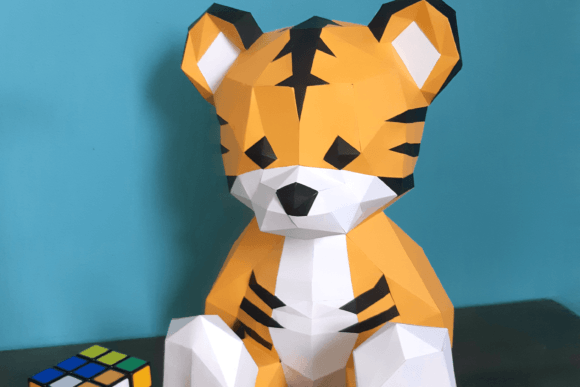
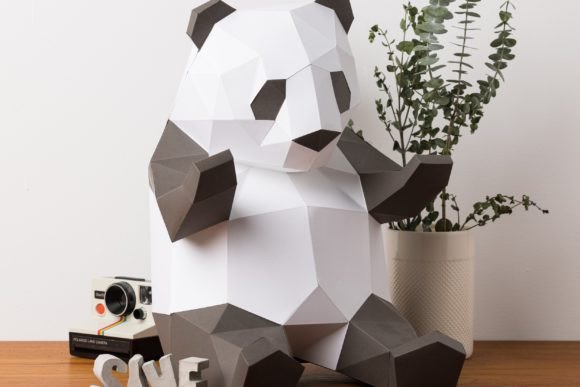
The Panda Paper Sculpture immediately establishes a playful, whimsical mood. Unlike traditional flat animal illustrations, this design leans heavily into geometric layering and depth, mimicking the look of folded paper. For an embroidery designer, this visual personality suggests a specific direction for the finished product. It feels modern, tactile, and distinctly charming without being overly cutesy. The layout is structured, which is promising for digitization. In the Animals category, pandas are common, but the "sculpture" angle gives it a unique edge. It feels less like a standard cartoon and more like a piece of art ready to be elevated through texture.
When evaluating a design for commercial use, I look for clarity in the lines and distinct separation of elements. The Panda Paper Sculpture offers clean edges that would likely convert well into satin stitch borders or defined fill areas. The visual weight is balanced, meaning it shouldn't overwhelm a garment or accessory. Instead, it acts as a focal point that draws the eye without feeling cluttered. This makes it an excellent candidate for branding small shop products where a memorable logo or motif is essential.
Real-World Application: From Digital File to Stitched Reality
Let’s move beyond the screen and imagine a real scenario. Picture yourself preparing a custom embroidered tote bag for a local craft fair. You want something that stands out against the sea of floral patterns and generic slogans. Placing the Panda Paper Sculpture on a sturdy canvas tote creates an immediate sense of quality. The geometric nature of the sculpture pairs beautifully with the rougher texture of canvas, creating a contrast that feels intentional and high-end.
I can also see this design working exceptionally well on baby items. A personalized gift like a onesie or a soft blanket often requires a motif that is gentle yet engaging. The panda theme is universally loved, and the 3D illusion adds a level of sophistication that parents appreciate. If you are an Etsy seller looking to expand your nursery decor line, this design could be the centerpiece of a pillow cover or a wall hanging. The key here is how the design interacts with the fabric. On a sweatshirt, the slight puffiness of the stitches could enhance the "sculpture" effect, making the panda appear to pop off the fabric.
For those running a craft business, the versatility of the Panda Paper Sculpture is its strongest asset. It fits seamlessly into holiday embroidery collections, serving as a winter-themed accent on aprons or tea towels. Because the design is inherently graphic, it translates well into an embroidered patch. Imagine selling a set of iron-on patches featuring this panda; the clean lines ensure that even smaller applications remain recognizable and crisp.
Navigating Technical Challenges and Fabric Choices
While the potential is high, applying the Panda Paper Sculpture requires careful consideration of technical constraints. As with any complex design, not all fabrics are created equal. Textured fabrics, such as heavy corduroy or thick fleece, might obscure the fine details of the paper-folding illusion. The shadows and highlights that create the 3D effect rely on precise stitching, which can get lost in deep pile fabrics.
Similarly, thin or stretchy fabrics present a challenge. Without the right stabilizer, the density required to achieve the sculptural look could cause puckering. If you plan to use this design on a cap or a curved surface, you must test the hoop size carefully. Curved surfaces distort straight lines, potentially warping the geometric integrity of the sculpture. Always check whether the design works for both personal and commercial projects before committing to a full run.
Dark fabrics require special attention regarding thread colors. The light-and-shadow play of the panda needs high contrast to read correctly. Using white or light gray thread on black fabric will highlight the shape, but you may need to adjust the stitch density to prevent show-through. Dense stitch areas are necessary for the fill, but too much density on dark, thin material can lead to stiffness. It is crucial to review the stitch count and density settings provided with the file to ensure they match your specific project needs.
Practical Notes for the Professional Designer
If you decide to integrate the Panda Paper Sculpture into your workflow, follow these practical steps to ensure a successful outcome:
- Test on Scrap Fabric First: Never skip this step. Run a test on the exact fabric you intend to use to check for puckering and detail retention.
- Check Thread Color Contrast: Ensure the chosen thread colors create the necessary depth. Test swatches in different lighting conditions to see how the 3D effect reads.
- Review Stitch Density: Look at the digitization closely. Are there areas where the fill stitch is too tight? Adjust if necessary to maintain fabric drape.
- Confirm Hoop Size: Verify that your machine hoop can accommodate the full width and height of the design without cutting off critical elements.
- Inspect Small Details: Zoom in on the digitized file. Tiny corners and sharp angles can sometimes unravel or look jagged if not properly underlaid.
- Use Proper Stabilizer: For a design with this much detail, a cut-away stabilizer is often safer than tear-away to support the long-term durability of the stitches.
- Test in Black and White Mockups: Before buying thread, visualize the design in grayscale to ensure the value contrast works for your intended background.
- Compare Light and Dark Backgrounds: The design should look good on both ends of the spectrum. If it only works on one, limit your product range accordingly.
- Confirm Licensing: Since this is a template by Sofs Design, always confirm the license terms before selling finished items or digital products. Ensure you have the rights for commercial embroidery use.
Final Verdict on Value and Appeal
The Panda Paper Sculpture is more than just another animal motif; it is a design asset that brings a fresh perspective to handmade products. Its ability to mimic a 3D form through 2D stitching adds significant visual appeal and perceived value to any item it adorns. For the serious embroiderer, this design fosters customer trust and engagement because it looks professionally executed and thoughtfully designed.
Whether you are creating a boutique brand, a personalized gift, or a line of small shop merchandise, this design offers a unique selling point. It bridges the gap between digital creativity and tactile craftsmanship. However, success depends on your execution. By respecting the technical requirements—choosing the right fabric, stabilizer, and thread—you can transform this digital file into a stunning finished product that customers will love. Just remember to verify the specific file formats and compatibility details before purchasing, ensuring it fits your machine embroidery setup perfectly.