Scallop Thanks Card SVG: A Designer's Real-World Review
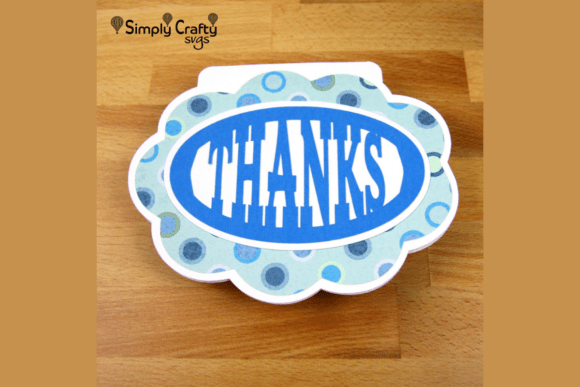
When I first opened the Scallop Thanks Card SVG, my initial reaction wasn't about the file size or the stitch count, but rather the mood it immediately evoked. As a designer who spends hours evaluating digital assets for commercial production, I look for more than just a pretty shape; I need to know if it translates well from a screen to a stitched fabric. This design feels sophisticated yet approachable, with decorative scalloped edges that promise a touch of elegance without overwhelming the viewer. It is clearly positioned as a versatile template for creating quick, high-quality greeting cards, but in my experience, its potential extends far beyond paper.
The visual personality of the Scallop Thanks Card SVG suggests a project that values clean lines and thoughtful composition. The scalloped motif creates a soft, rhythmic border that naturally draws the eye inward, making it an excellent candidate for centering text or a small focal point. However, before I commit this design to a client's order, I have to think critically about how those curves behave under the needle. In the world of machine embroidery, a beautiful vector on a monitor can sometimes flatten out or lose definition once converted into stitches. This review breaks down exactly where this design shines and where it might require extra caution during the digitizing process.
From Digital File to Finished Product
I recently had the opportunity to test the Scallop Thanks Card SVG on a real-world scenario involving a custom embroidered tote bag for a local boutique owner. The client wanted a "thank you" message that felt personal but professional, suitable for wrapping up holiday gifts. The 3D SVG nature of the file implies depth, which is exciting, but it also requires careful planning regarding layering and stitch density.
In this specific application, the scalloped edge worked beautifully against the canvas texture of the tote. The curves softened the industrial feel of the material, elevating the perceived value of the finished product. When customers see a tote with such a refined detail, they associate it with higher quality craftsmanship. However, placing this design on a sweatshirt or a baby onesie presents a different set of challenges. The stretchiness of knit fabrics means that the tight satin stitches often used for borders can cause puckering if the stabilizer isn't chosen correctly.
For a small business owner looking to expand their Etsy listings, this design offers a strong starting point. Imagine using the same Scallop Thanks Card SVG layout for a series of holiday-themed tea towels or nursery decor. The versatility allows you to maintain brand consistency across different products while simply changing the thread colors or the background fabric. The design acts as a reliable anchor, ensuring that whether it appears on a patch, a cap, or a pillow cover, the aesthetic remains cohesive and recognizable.
Where to Use It (and Where to Pause)
While the Scallop Thanks Card SVG is undeniably elegant, it is not a one-size-fits-all solution. There are specific scenarios where this design requires a cautious approach to avoid disappointing results. One of the primary concerns is the use of small hoop sizes. If you attempt to stitch this design on a very small area, such as the cuff of a sleeve or a tiny baby hat, the intricate details of the scalloped edge may become too dense, leading to thread breaks or a loss of definition.
Similarly, textured fabrics like heavy denim or bouclé wool can hide the fine details of the design. On these materials, the contrast between the thread and the fabric texture might be lost, making the scallops appear muddy rather than crisp. Thin or highly stretchy fabrics also pose a risk. Without a robust cut-away stabilizer, the tension required for the fill stitches could distort the fabric, ruining the intended shape of the card.
Dense stitch areas are another factor to consider. If the original digitization packs too many stitches into the scalloped border, the resulting fabric will be stiff and difficult to wear. This is particularly important for apparel decorators working on items that need to be washed frequently. Over time, excessive density can lead to pilling or fraying at the edges. Additionally, if you plan to use this design on dark fabric, you must ensure there is sufficient thread coverage. A light-colored scalloped border on a navy blue shirt might require multiple passes or a high-density underlay to prevent the base color from showing through.
Visual Appeal and Customer Trust
In the competitive landscape of handmade goods, the presentation of your work speaks volumes. A well-executed Scallop Thanks Card SVG can significantly boost customer trust. When a buyer receives a personalized gift with sharp, clean stitching and a balanced layout, they perceive the creator as a professional. This design, with its sophisticated edges, inherently communicates care and attention to detail.
However, the success of the final product relies heavily on the execution. Poorly executed satin stitches can make a design look cheap, regardless of how good the vector was. To ensure the Scallop Thanks Card SVG maintains its premium feel, you should always test the design on scrap fabric first. This step allows you to adjust the thread tension and check for any unwanted gaps or overlaps. It is also wise to inspect small details closely; sometimes, what looks perfect on a screen can reveal jagged edges when stitched at full scale.
For crafters and makers selling their wares, the ability to produce consistent results is key. Using a reliable design like this helps streamline your workflow, allowing you to focus on marketing and customer service rather than troubleshooting technical errors. When you pair this design with proper thread colors and appropriate stabilizers, the result is a finished product that stands out in a crowded marketplace. Whether it is for a commercial embroidery project or a heartfelt homemade gift, the clarity of the stitching directly impacts the emotional connection the recipient feels.
Practical Notes for the Embroidery Designer
Before you start running your machine, there are several practical steps you should take to ensure the best outcome. First, verify the file specifications. Since exact stitch counts, file formats, and machine compatibility were not provided in the initial description, you must confirm these details with the source. Knowing the recommended hoop size is crucial for positioning the design correctly on your garment or accessory.
Thread color selection plays a massive role in the final look. Test your choices against both light and dark fabric backgrounds to ensure adequate contrast. Don't rely solely on the digital preview; physical samples are the only way to truly judge how the colors interact with the fabric texture. Furthermore, always check the licensing terms before selling finished items. Some digital designs allow for personal use only, while others permit commercial sales of the physical products created with them.
If you are creating digital product previews or printable mockups, remember that the Scallop Thanks Card SVG needs to look convincing even without the actual stitching. Ensure your mockup accurately reflects the likely stitch density and texture so that buyers have realistic expectations. For those working on layered garments or curved surfaces like caps, pay special attention to the curvature of the design. Flat designs often need to be adjusted slightly to accommodate the curve of a hat brim, or they will look distorted.
Ultimately, the Scallop Thanks Card SVG is a powerful tool for anyone in the creative industry. It offers a blend of simplicity and sophistication that fits seamlessly into various product categories, from greeting cards to custom apparel. By approaching it with a critical eye and following best practices for stabilization and testing, you can transform this digital asset into a tangible piece of art that delights customers and strengthens your brand reputation. Whether you are a seasoned pro or a hobbyist just starting out, this design provides a solid foundation for creating memorable, high-quality embroidered projects.