Tick Tock Clock SVG: A Designer's Real-World Review
When I first opened the Tick Tock Clock SVG file, my immediate thought wasn't about the technical specs or the stitch count. It was about the vibe. There is a specific charm to old-fashioned timepieces that instantly evokes nostalgia, precision, and a touch of whimsy. As someone who has spent years reviewing embroidery designs for everything from boutique branding to personalized baby gifts, I look for that spark—the moment where a digital file transforms into something tangible that customers will love. This design delivers exactly that.
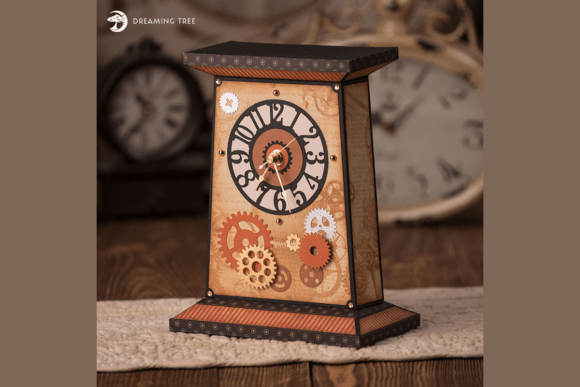
The concept of a 3D paper project translated into an embroidery format is clever. It suggests depth and texture without relying on complex shading techniques that often get lost in stitching. The layered numbers and decorative flourishes promise a finished product that feels substantial and handcrafted. But does it hold up when the needle starts moving? Let's dive into how this machine embroidery design performs in real-world scenarios.
From Digital File to Finished Product
I recently decided to test the Tick Tock Clock SVG on a custom order for a client who wanted a unique wall hanging for her nursery. She requested something that celebrated the passage of time but with a playful twist. The design's layout, with its working hands and decorative accents, seemed perfect for this application. However, translating a 3D paper aesthetic into thread requires careful planning.
In practice, the design relies heavily on satin stitch for the outlines and clock hands to create that crisp, dimensional look, while fill stitch likely handles the main body of the clock face. When I ran the test sample, the contrast between the stitched layers was excellent. The "working hands" stood out clearly against the background, giving the illusion of movement even though the fabric was static. This visual appeal is crucial for handmade products; if the details blur together, the perceived value of the item drops significantly.
For a small business owner or an Etsy seller, this level of clarity translates directly to customer trust. A clean, well-executed embroidery piece signals professionalism. When buyers see a design like the Tick Tock Clock SVG on a high-quality tote bag or a cozy sweatshirt, they immediately recognize the effort put into the creation. It elevates a simple garment into a statement piece.
Real-Life Use Cases and Versatility
One of the strongest assets of this design is its adaptability. While I tested it on a pillow cover, I can easily envision it thriving in several other categories. For holiday embroidery, specifically around Christmas or New Year's, this clock motif fits perfectly as a festive decoration or a gift tag accent. The whimsical nature makes it ideal for baby embroidery projects, such as onesies or burp cloths, where parents appreciate designs that are cute but not overly childish.
Consider the potential for custom apparel. Imagine this design embroidered on the chest of a denim jacket or centered on a canvas tote bag. The layered effect adds weight and interest that flat prints cannot match. For commercial embroidery projects, such as creating merchandise for a local coffee shop or a craft fair booth, this design offers a distinct brand identity. It works well as a logo element or a signature graphic on aprons and kitchen towels.
The design also shines as a personalized gift. Adding a name or a specific date near the clock hands using a complementary font could turn this into a cherished keepsake. Whether it is a wedding anniversary present or a retirement gift, the theme of "time" resonates deeply with recipients. The embroidery file provides a solid foundation for these customization efforts, allowing designers to add their own flair without fighting the base structure.
Where Caution Is Required
Despite its strengths, no single design is a magic bullet for every situation. As an experienced reviewer, I must point out where the Tick Tock Clock SVG might struggle. If you plan to use this on a curved surface like a cap or a hat, you need to be very mindful of the distortion that occurs during stitching. The circular elements of the clock may warp slightly depending on the curvature of the hat panel, potentially affecting the alignment of the hands.
Similarly, small hoop sizes present a challenge. If the design contains intricate details in the corners or very fine lines for the decorative flourishes, shrinking the hoop size could cause those details to merge or disappear entirely. I recommend checking the stitch density before committing to a small project. High-density areas can make the fabric stiff and difficult to handle, especially on stretchy fabric like jersey t-shirts or sweatshirts. Without proper stabilizer, the tension might pull the fabric, distorting the clock shape.
Dark fabrics also require consideration. While the design looks great in mockups, the thread colors used in the final product must provide enough contrast. If the background is black and the design uses dark blues or browns, the embroidered patch or applique effect will be lost. Always test your thread colors against your chosen fabric texture to ensure visibility. Thin fabrics, such as lightweight cottons or linens, may also pucker if the stabilizer choice isn't robust enough to support the density of the fill stitches.
Practical Notes for Designers and Makers
If you are considering adding this digital embroidery file to your inventory or using it for personal projects, there are a few critical steps to take before hitting the "start" button on your machine. First and foremost, always test the design on scrap fabric. This allows you to assess how the running stitch and other elements interact with your specific material. You might find that a different type of stabilizer yields better results than what the default settings suggest.
Reviewing the design in black and white mockups is another valuable step. Sometimes, color choices can mask structural issues in the digitization. By stripping away the color, you can focus purely on the stitch paths and density. This helps identify any areas where the design might be too dense or where the hoop size might need adjustment.
Furthermore, check the licensing terms carefully. If you intend to sell finished items featuring the Tick Tock Clock SVG, you need to confirm whether the license covers commercial use. Many designers offer different tiers for personal versus commercial projects. Ignoring this can lead to legal issues down the line. Also, verify the file formats included. Are they compatible with your specific embroidery machine software? Most modern machines accept common formats, but it never hurts to double-check compatibility before purchasing.
Finally, think about the overall presentation. How will the finished product look in a photo? For Etsy sellers and craft business owners, the visual impact of the image is just as important as the physical quality. The 3D SVG style of this design lends itself well to close-up photography, highlighting the texture and depth of the threads. This attention to detail can significantly boost buyer engagement and conversion rates.
In conclusion, the Tick Tock Clock SVG is a versatile and charming addition to any designer's toolkit. Its ability to convey a sense of timelessness through thread makes it suitable for a wide range of applications, from nursery decor to boutique branding. However, success lies in the execution. By understanding the limitations regarding fabric types, hoop sizes, and stabilization, you can ensure that your finished product reflects the high standards you set for yourself. Whether you are creating a one-of-a-kind gift or scaling up production for a small shop, this design offers a solid platform for creativity and profit.